Safety reflectors and safety products
Safety reflectors and safety products with a logo are promotional products that companies, schools and associations hand out, especially in the dark season. Reflectors come as soft and hard hanging reflectors and as slap-on reflectors. There are over a hundred ready-made shapes, and a reflector can also be made in your own shape. A pedestrian reflector is personal protective equipment: it must be type-examined and CE marked even when it is given away free of charge. The current standard is EN 17353.
The category also includes high-visibility vests, torches, ice scrapers and first aid products. The price on the product page excludes VAT and includes a one-colour print in one position. Add the products to the quote basket and state the quantities and the date on which the products will be distributed in your quote request.
Unit prices excl. VAT. The price goes down when the quantity goes up.Unit prices incl. VAT. The price goes down when the quantity goes up.
Products
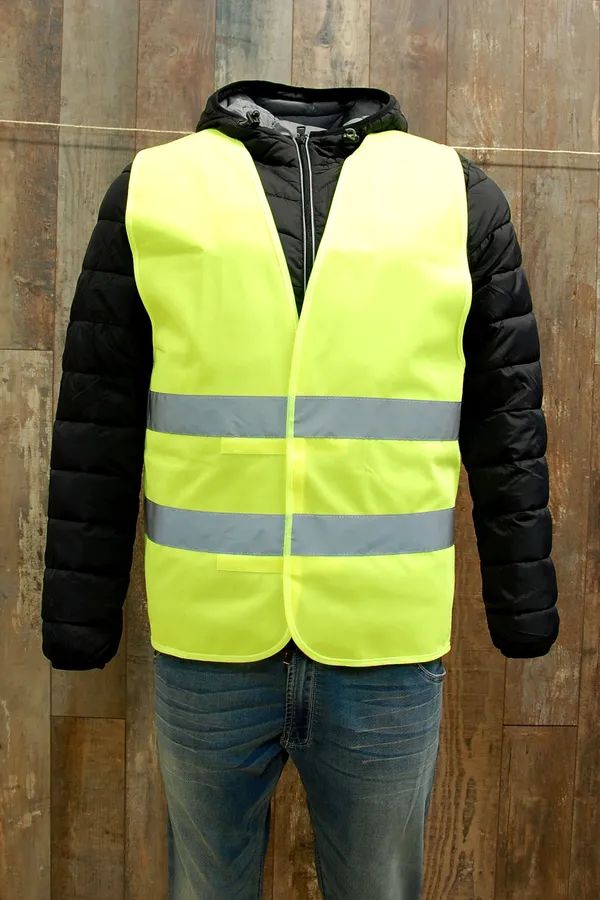
High-visibility vest
6 colours
High-visibility vest made of 100 % polyester. Hook-and-loop fastening with 15 cm of adjustment and 5 cm wide reflective strips. Three sizes and six colours, the price includes one-colour print.
from€14.21€17.83/ pc
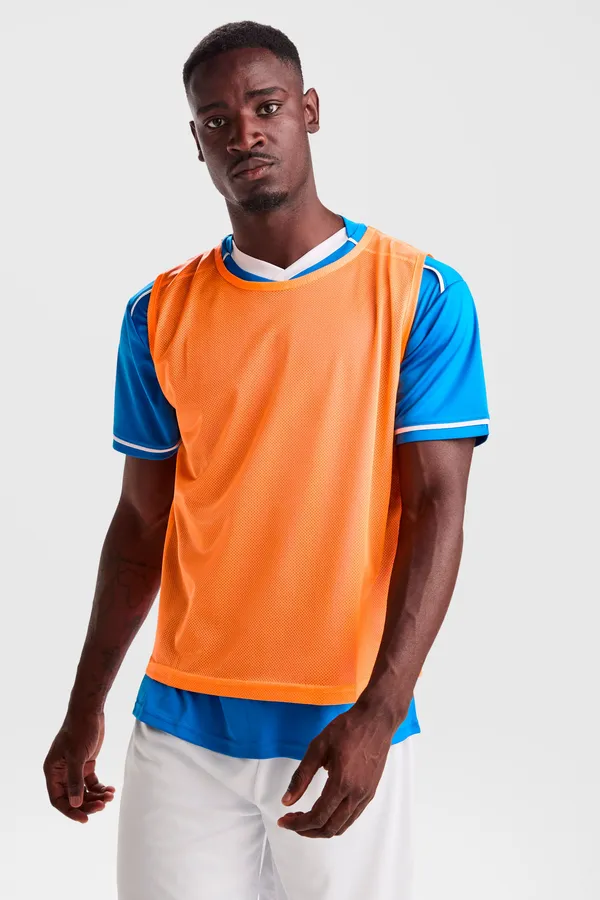
Roma Training Bib
10 colours
Roma is a lightweight mesh training vest worn over the team shirt. Available in sizes M and XL and in several colours, print included in the price.
from€14.31€17.96/ pc
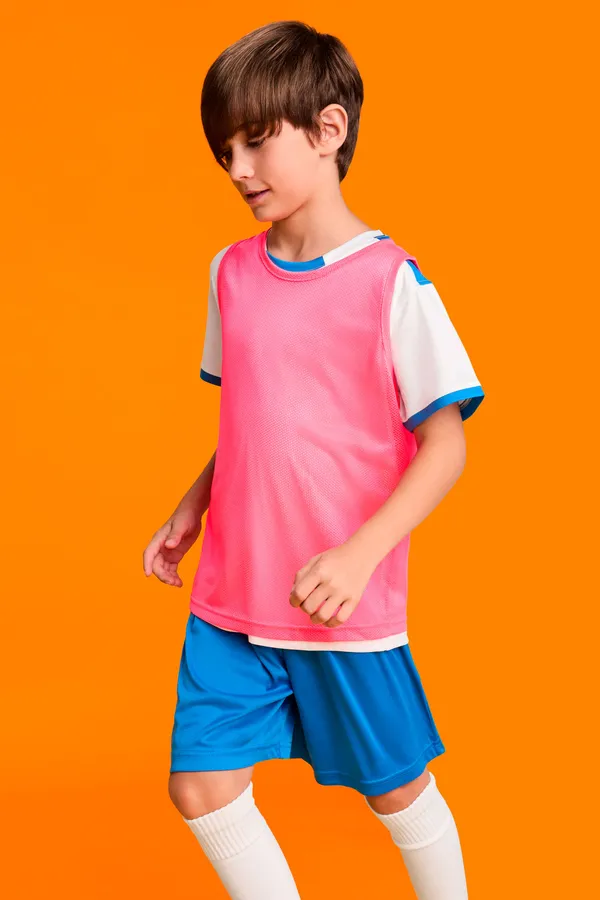
Roma Children's Training Bib
10 colours
Sleeveless children's training bib in mesh fabric, 100% polyester and 90 g/m². Sizes 128 cm and 152 cm, ten colours. The price includes one-colour print.
from€14.16€17.77/ pc
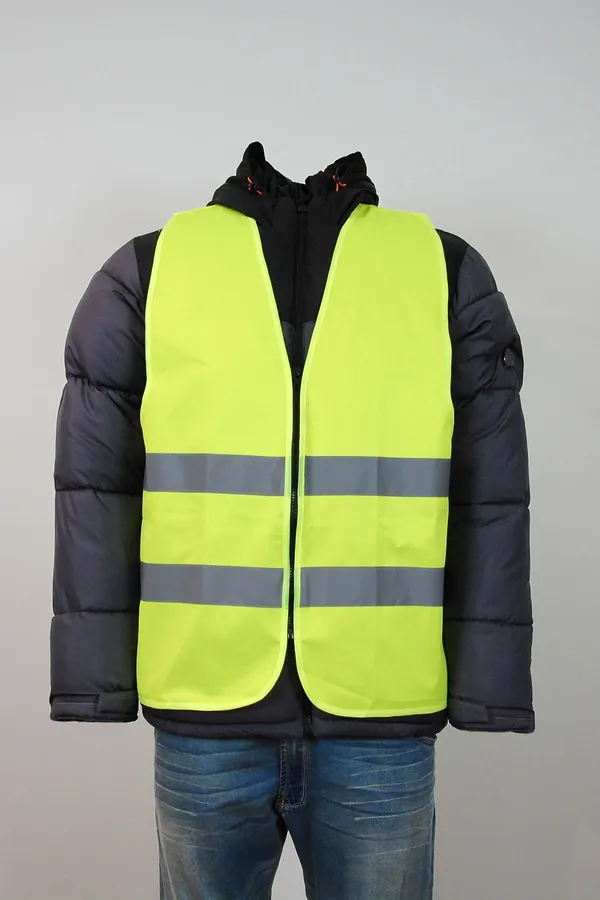
High-Visibility Vest with Zip
4 colours
High-visibility vest with zip, made of 100 % polyester, with 5 cm wide reflective strips. Sizes S/M, L/XL and XXL/3XL, minimum order quantity 10 pcs. The price includes a one-colour print.
from€15.77€19.79/ pc
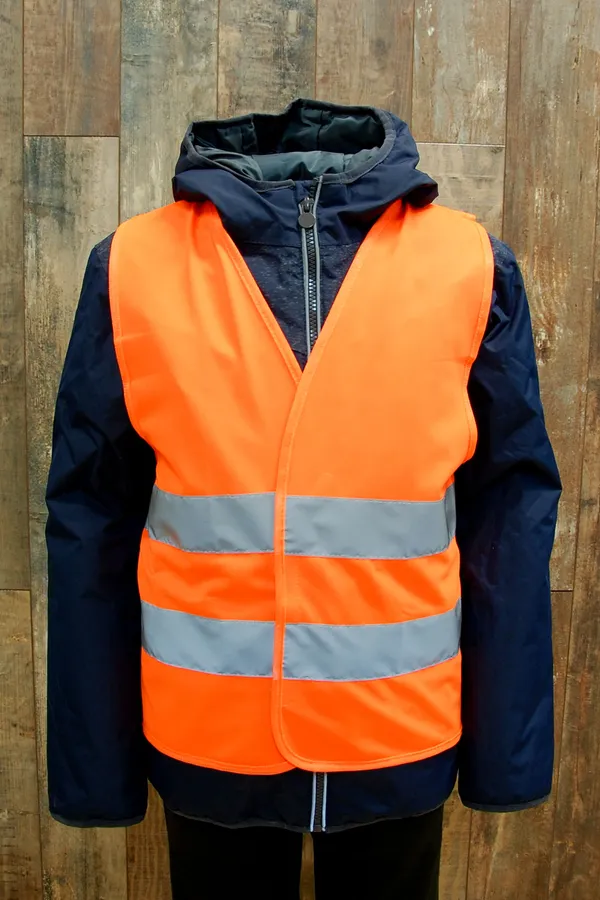
Children's High-visibility Vest
5 colours
Children's high-visibility vest in 100% polyester, with two 5 cm wide reflective bands and hook-and-loop fastening. Sizes 100–160 cm and five colour options.
from€13.37€16.78/ pc
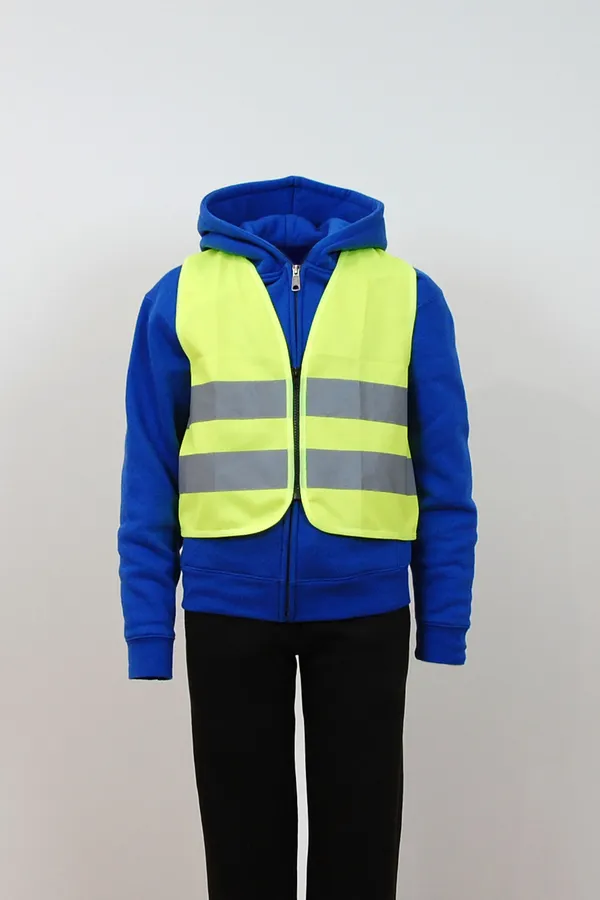
Children's High-Visibility Vest with Zip
4 colours
Children's high-visibility vest with a zip, 5 cm wide reflective strips and a black zip. Four sizes and four colours, minimum order quantity 10 pcs.
from€14.90€18.70/ pc
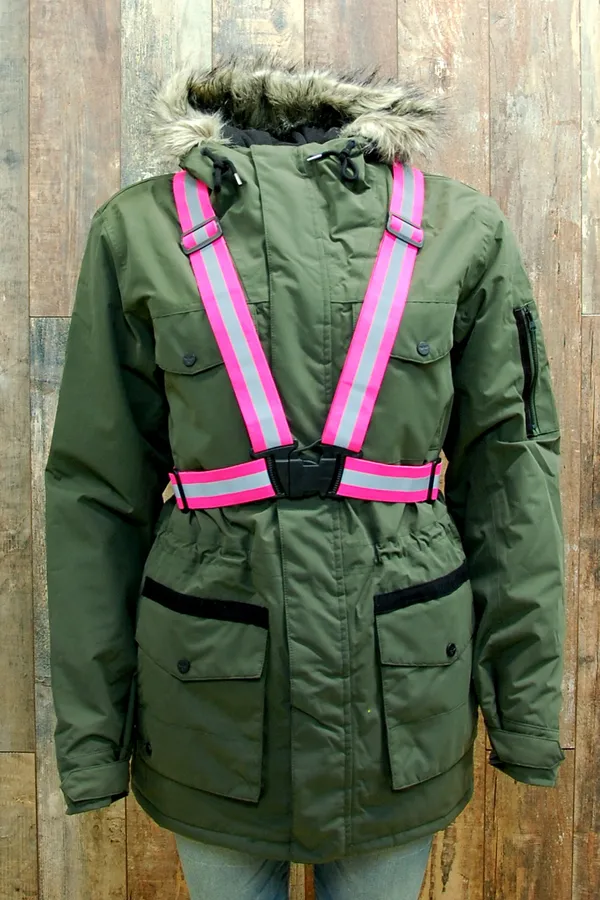
Reflective harness
4 colours
Adjustable elastic reflective harness worn over clothing. One size fits from a height of 120 cm up to size 3XL, and the harness can be printed in one colour.
from€14.35€18.01/ pc

Ice scraper
2 colours
Ice scraper made in Sweden, with bevelled corners. Colour options are blue and black. The price includes a one-colour print in one position.
from€1.95€2.45/ pc

Master High-Visibility Vest
2 colours
The Payper Master Huomio Liivi is an EN 20471 class 2 high-visibility vest with 3M Scotchlite reflective tapes, four pockets and an ID card pocket.
from€50.83€63.79/ pc
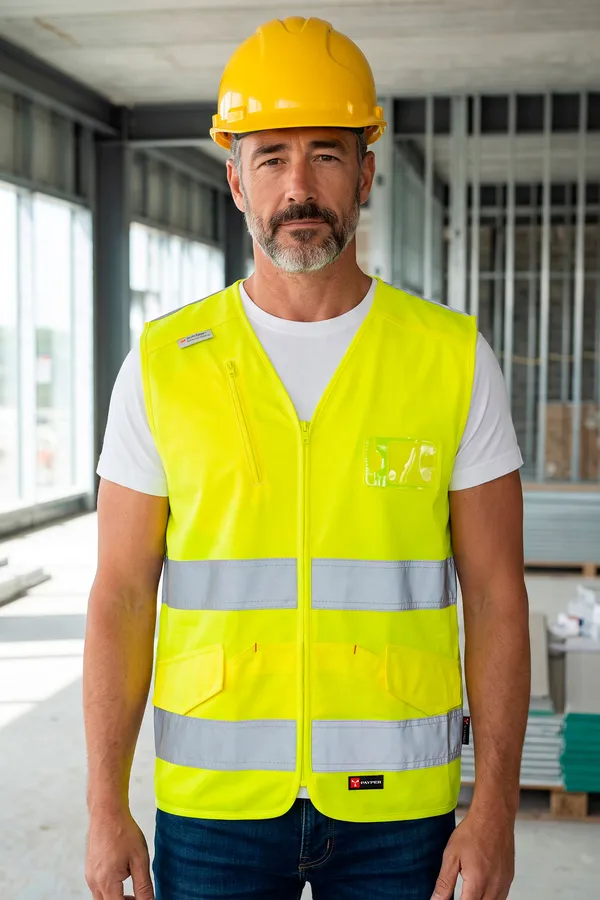
Expert High-Visibility Vest
2 colours
Payper Expert is a high-visibility vest with a zip, 3M Scotchlite reflective tapes, three pockets and an ID card pocket. Sizes M–XL, colours Bright Orange and Bright Yellow.
from€33.30€41.79/ pc
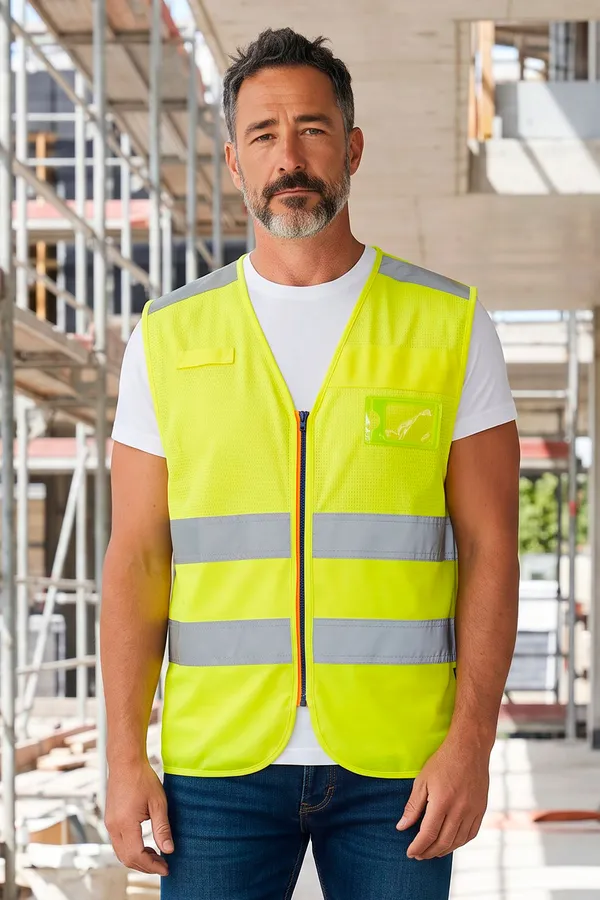
Ace Mesh High-Visibility Vest
2 colours
High-visibility vest from Payper with a mesh fabric upper section. Zip at the front, an ID card pocket on the left chest and reflective tapes around the body. EN ISO 20471 class 2, sizes S–5XL.
from€22.69€28.48/ pc

Extra Mesh High-Visibility Vest
4 colours
Payper Extra Mesh is a high-visibility vest with a zip and a mesh fabric upper section. It has front pockets, a hook-and-loop chest pocket and an ID card pocket. EN ISO 20471 class 2.
from€27.69€34.75/ pc
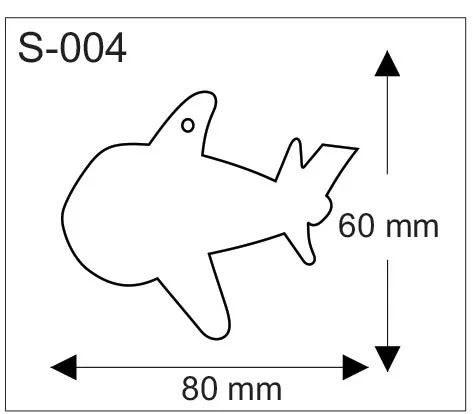
S-004
2 colours
Soft safety reflector in the shape of an aeroplane, size 80 x 60 mm. Colour options are white and fluorescent yellow. The price includes a one-colour print in one position.
from€1.55€1.95/ pc
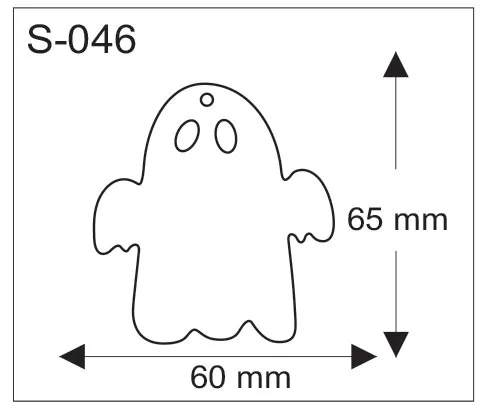
S-046
2 colours
Soft safety reflector in the shape of a ghost, size 65 x 60 mm. Colours: white and fluorescent yellow. The price includes a one-colour print in one position.
from€1.55€1.95/ pc
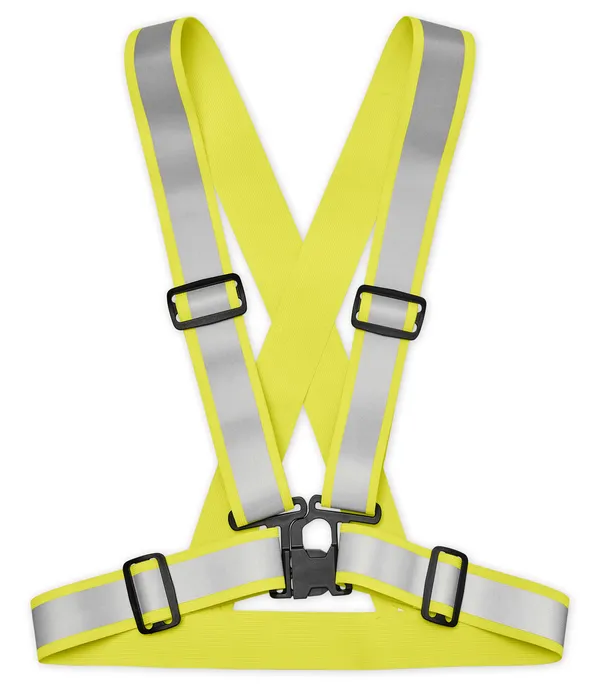
Reflective Band, Lord Nelson
Yellow reflective harness with crossed shoulder straps and adjustable straps. Sold without print, minimum order quantity 1 pcs.
from€16.20€20.33/ pc
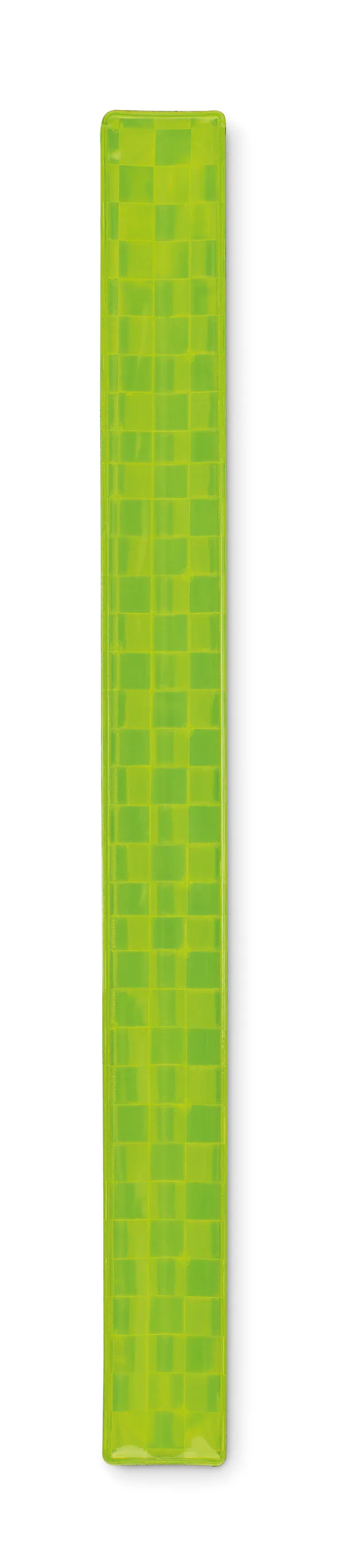
ENROLLO +, Reflective arm strap
2 colours
Reflective arm strap
from€3.65€4.58/ pc

ENROLLO, Reflective wrist strap
3 colours
Reflective wrist strap
from€2.95€3.70/ pc
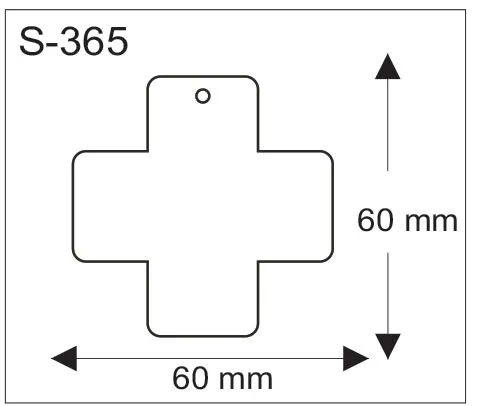
S-365
2 colours
Cross-shaped soft reflector, size 60 x 60 mm. Available in white and fluorescent yellow. The price includes one-colour print.
from€1.55€1.95/ pc
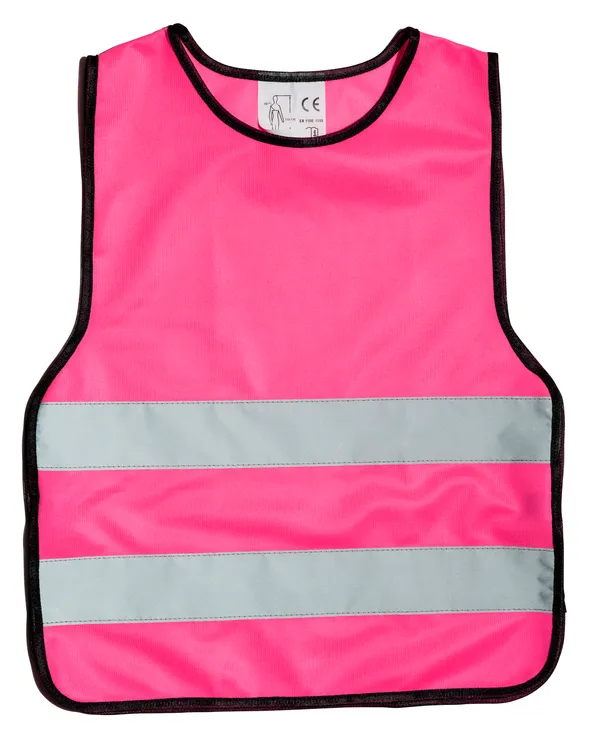
Safety Vest, Nightingale
6 colours
The Nightingale high-visibility vest is a polyester vest with reflective strips. Available in child and adult sizes. Sold without print, minimum 1 pcs.
from€9.90€12.42/ pc
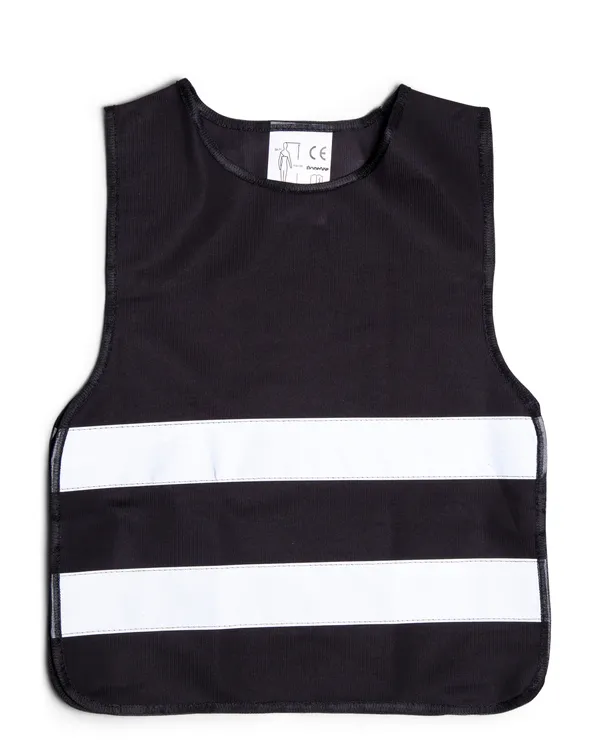
Marking Vest, Nightingale
4 colours
Nightingale reflective vest made of polyester, with two reflective stripes at the front and back. Colours: pink, lilac, navy blue and black. Delivered without print.
from€7.75€9.73/ pc
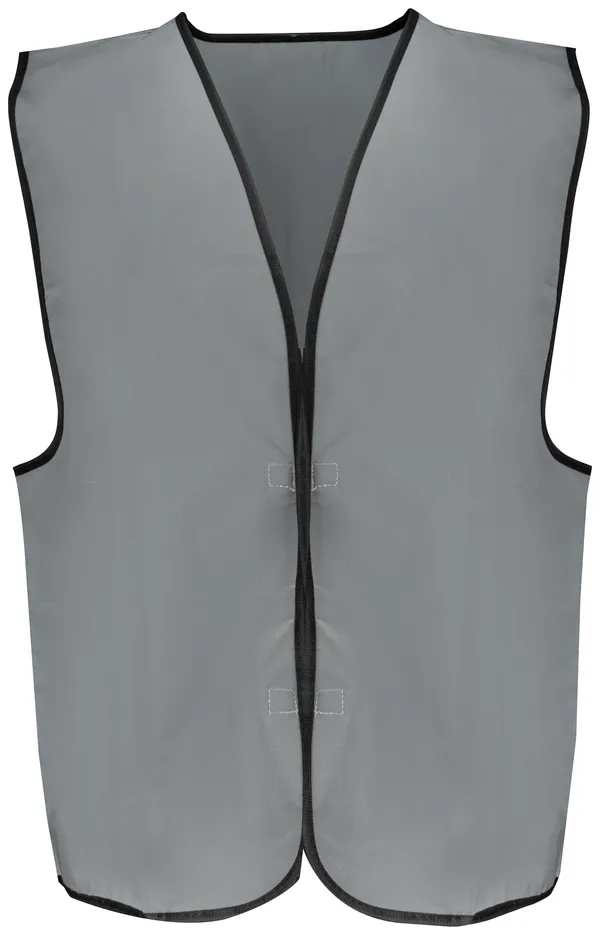
Marking Vest Reflective Velcro, Nightingale
Reflective vest for adults, made of grey reflective polyester. Hook-and-loop fastening at the front, size 65 x 70 cm. Sold without print.
from€21.40€26.86/ pc
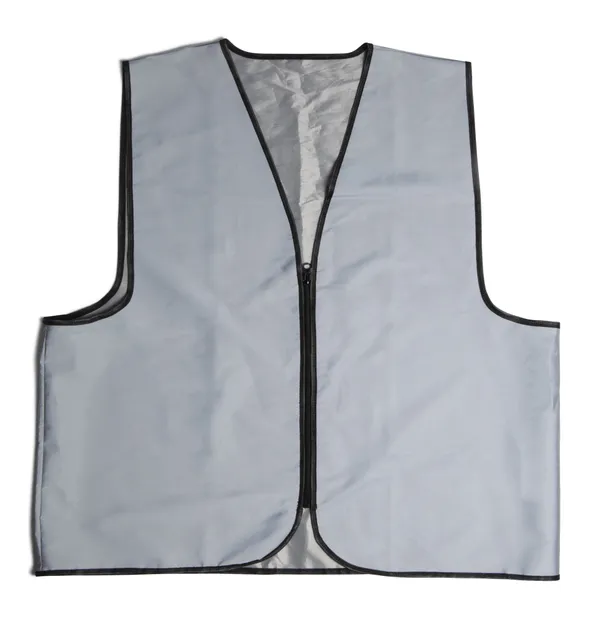
Marking Vest Reflective Zipper, Nightingale
The Nightingale reflective vest is made of reflective polyester. Zip fastening at the front, size 65 x 70 cm, colour grey. Supplied without print.
from€23.20€29.12/ pc
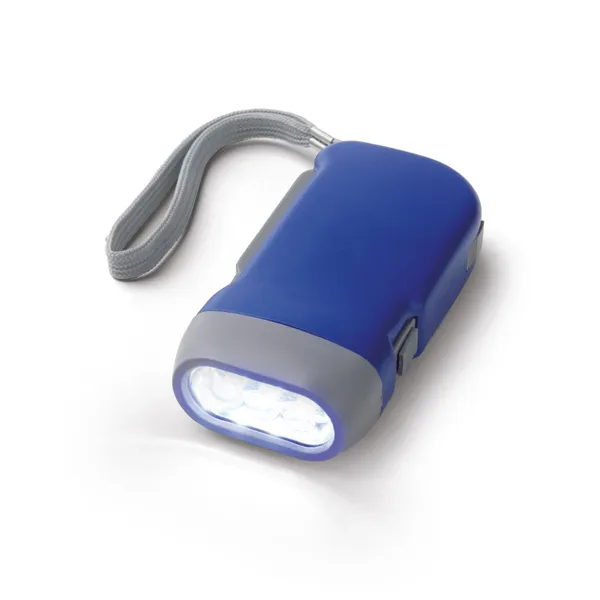
EDDIE. Dynamo torch with 3 LEDs
EDDIE is a dynamo-powered torch with three LEDs and a wrist strap. The price includes a one-colour print in one position, minimum order quantity 50 pcs.
from€2.65€3.33/ pc
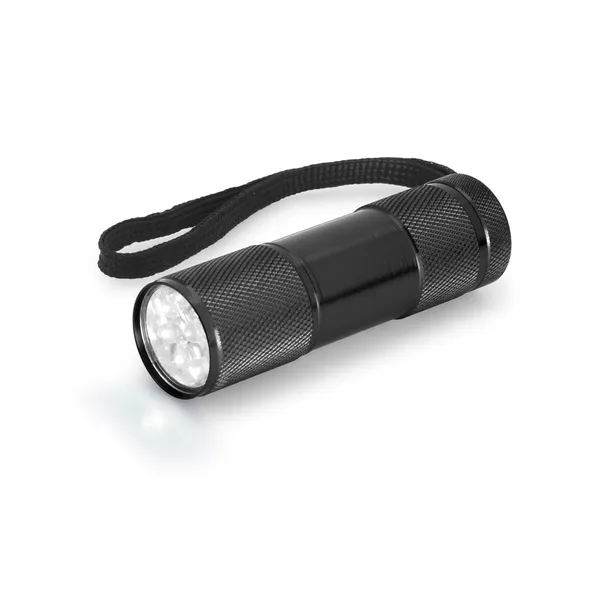
FLASHY. Aluminium torch with 9 LEDs
4 colours
FLASHY is an aluminium torch with 9 LEDs and a wrist strap loop. Available in four colours, minimum order quantity 50 pcs.
from€3.95€4.96/ pc
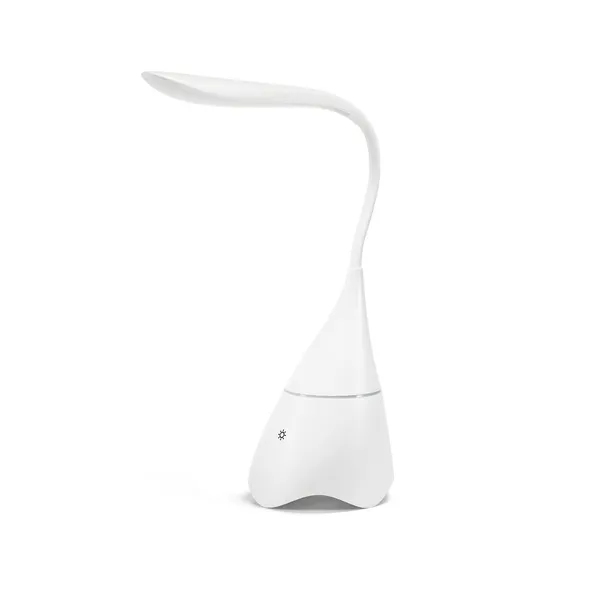
GRAHAME. Portable desk lamp with speaker and 5-hour battery life, made from recycled ABS plastic (100% rABS)
GRAHAME is a portable desk lamp with a logo: flexible arm, touch button and a built-in 5 W Bluetooth speaker. Battery life 5 hours, made of 100% rABS.
from€19.00€23.85/ pc
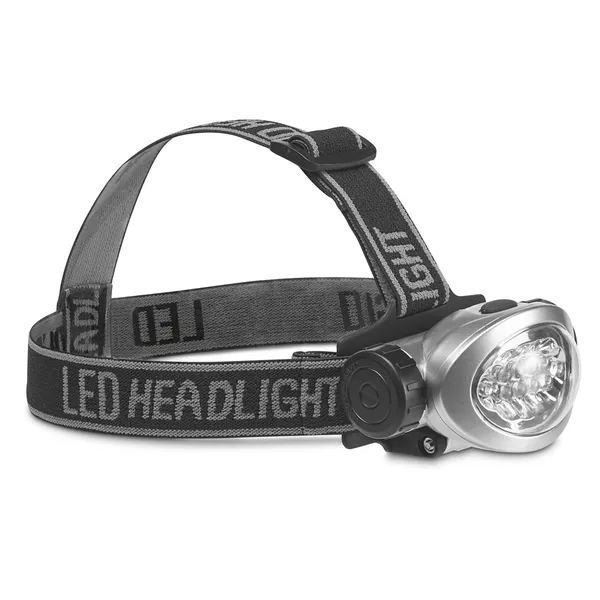
STANY. head torch
Headlamp with an adjustable elastic strap, vertical tilt and three lighting modes. Includes 3 AAA batteries and a gift box.
from€6.65€8.35/ pc
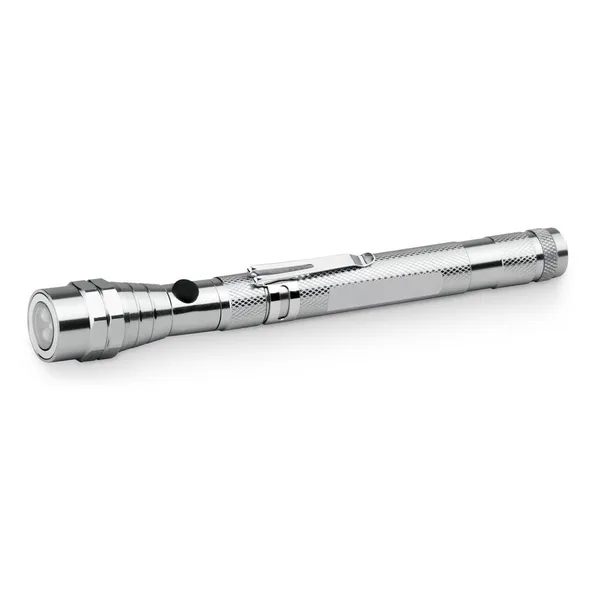
NOBEND. Telescopic LED torch
NOBEND is a pen-style LED torch with a telescopic body that extends in length. Silver, 174 mm long and weighing 96 g, with a clip for fastening to a pocket.
from€6.80€8.53/ pc
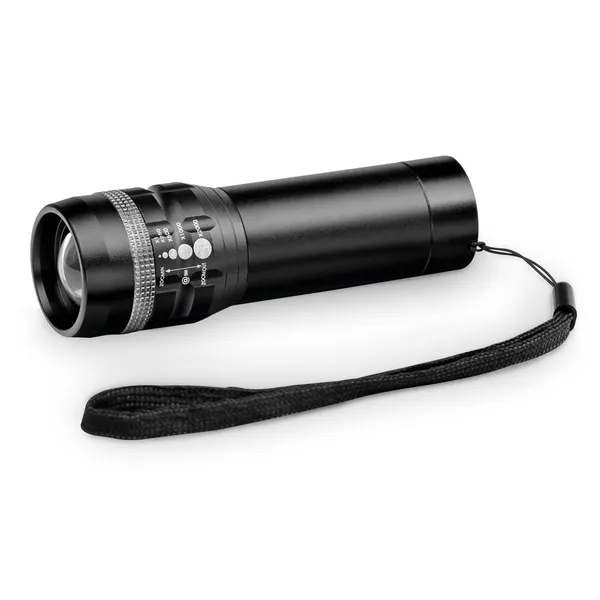
ZOOMIN. Aluminium torch with zoom function and 3 light modes
3 colours
Aluminium torch with zoom function, three light modes and a 1 W LED (60 lumens). Wrist strap and 3 AAA batteries included, supplied in a gift box.
from€7.00€8.79/ pc
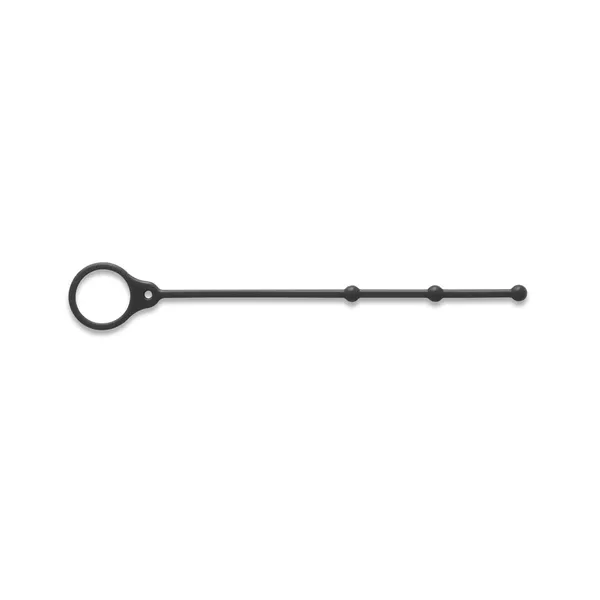
MAURICE. Carrying strap
7 colours
Silicone carrying strap with a loop and three adjustment levels. Size 20 x 139 mm. The price includes a one-colour print in one position.
from€0.00€0.00/ pc
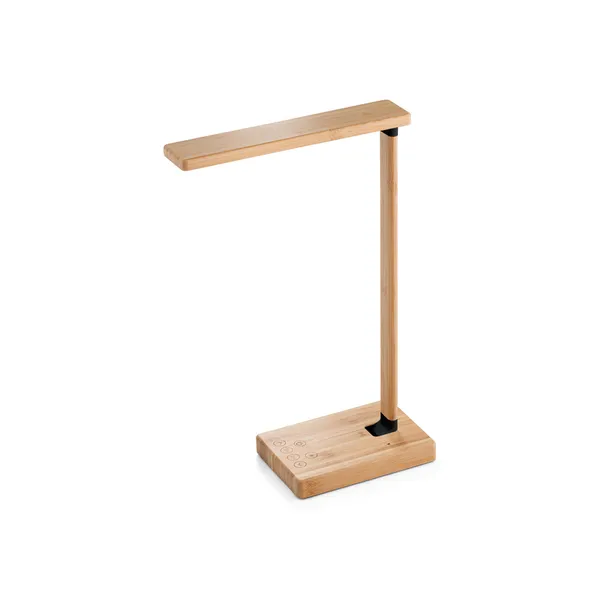
MOREY. Folding desk lamp with 15 W super-fast wireless charger, bamboo
MOREY is a foldable bamboo desk lamp with a 15 W wireless charger. The price includes a one-colour print in one position. The minimum order quantity is 50 pcs.
from€28.70€36.02/ pc
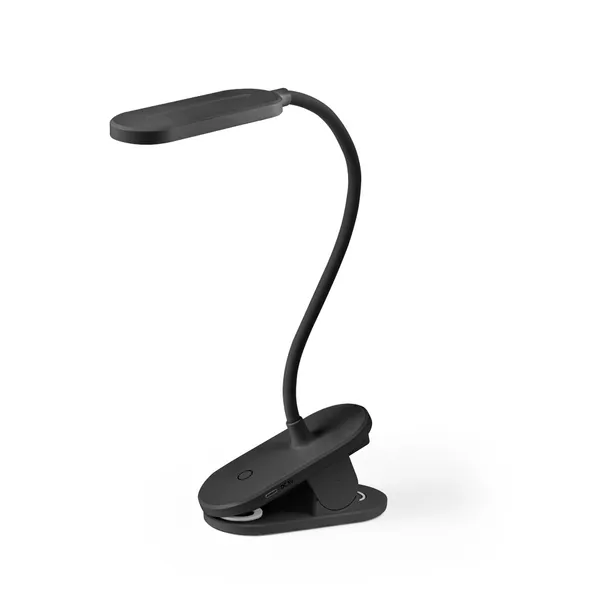
NESBIT II. Portable desk lamp with clip and 30 hours of use, 65% rABS
NESBIT II is a black portable desk lamp with a clip and a flexible arm. The price includes one-colour pad print in one position. Minimum order quantity 50 pcs.
from€12.55€15.75/ pc
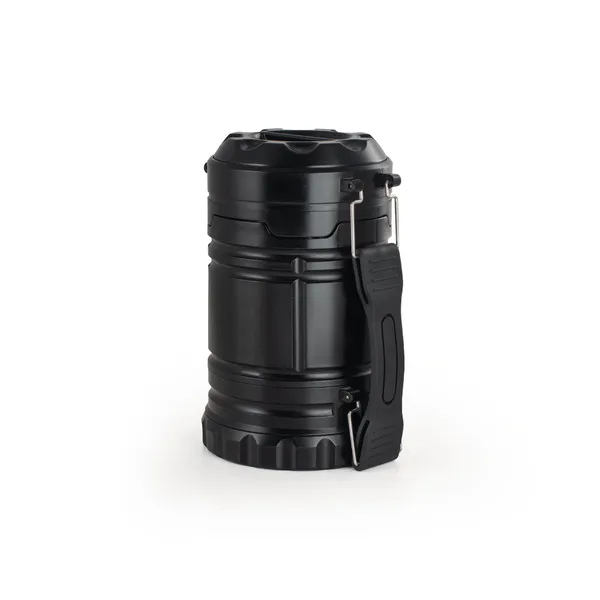
OLYMPOS. 2-in-1 lantern in ABS and PS plastic
OLYMPOS is a black 2-in-1 lantern made of ABS and PS plastic. This torch with a logo works as an outdoor light or a lantern. The price includes a one-colour print, minimum order quantity 50 pcs.
from€9.65€12.11/ pc
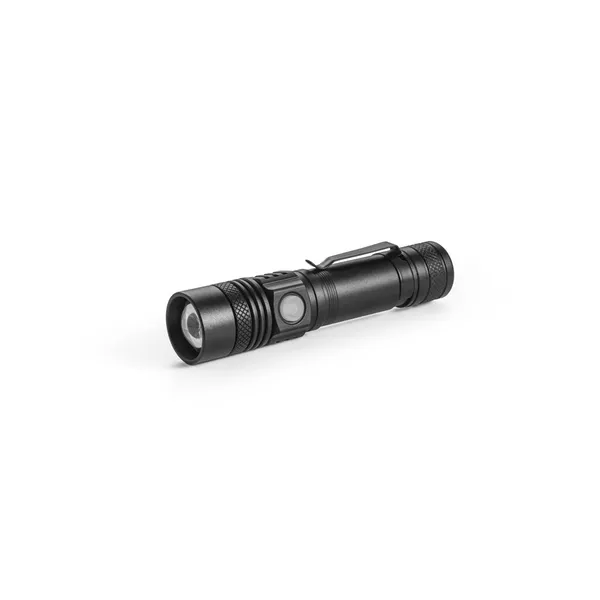
UNGAR. 5 W rechargeable torch in recycled aluminium (100% rAL)
Rechargeable 5 W torch made from recycled aluminium (100 % rAL). 300 lumen LED, four lighting modes, telescopic zoom and USB-C charging. Print is included in the price.
from€14.30€17.95/ pc
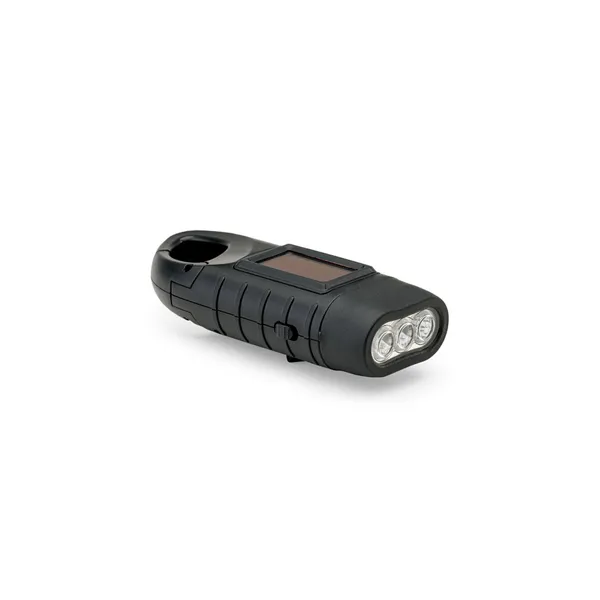
SOLARKY. Compact 0.5 W ABS torch with 3 white LEDs and 90 lumens
SOLARKY is a compact ABS torch with three white LEDs and a light output of 90 lumens. It is charged in sunlight or by turning the crank.
from€8.00€10.04/ pc
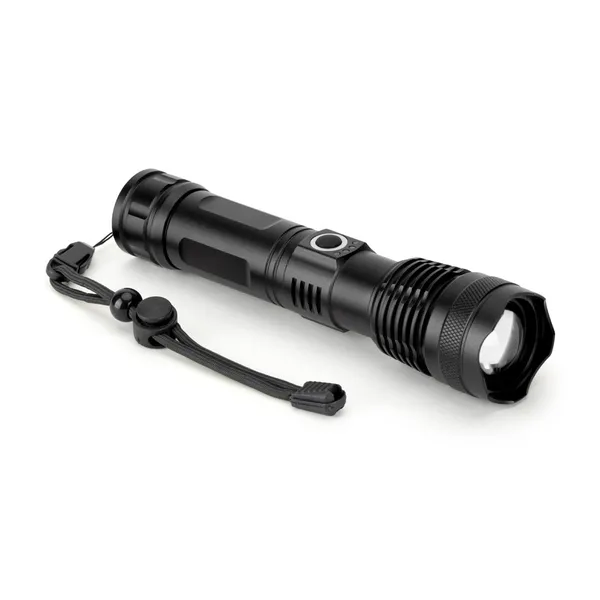
YVIAN. Rechargeable 10 W torch, made of aluminium (100 % rAL)
YVIAN is a rechargeable 10 W torch made from recycled aluminium (100% rAL). It has a light output of 500 lumens, five light modes, zoom and a 3,000 mAh battery.
from€22.05€27.67/ pc
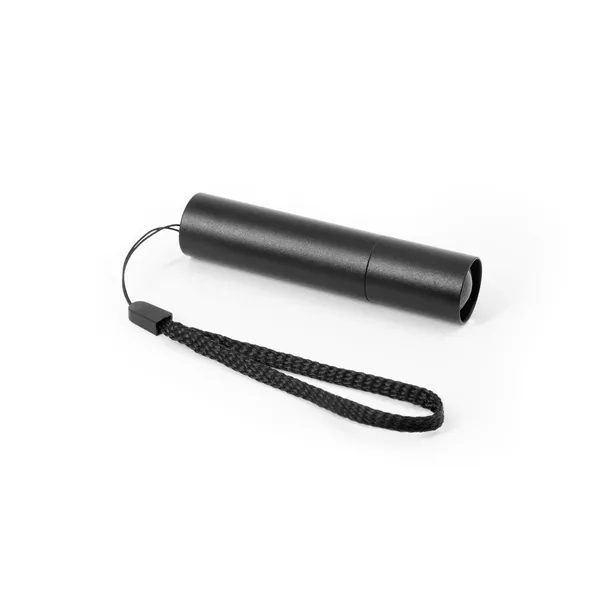
BRUCE. Rechargeable torch made from recycled aluminium (100 % rAL), with a 30 mm extension arm
Rechargeable torch made from recycled aluminium (100% rAL). Light output of 120 lumens, telescopic zoom and USB-C charging. Delivered in a paper gift box.
from€4.70€5.90/ pc
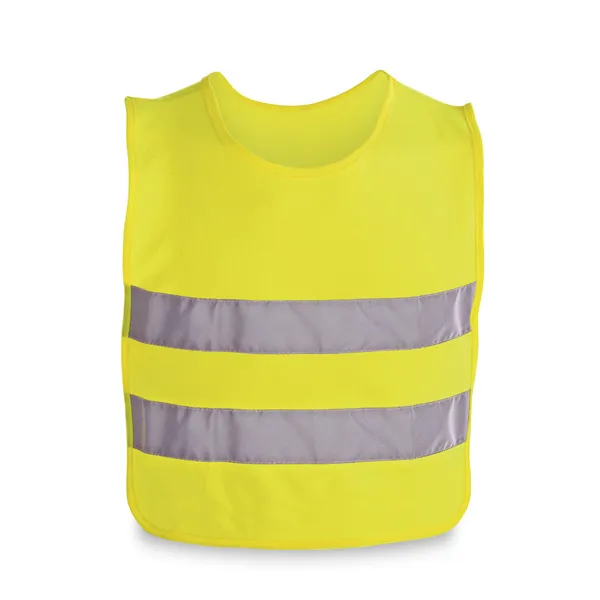
MIKE. Reflective children's vests made of 100 % polyester
2 colours
MIKE is a children's high-visibility vest with two horizontal reflective strips and a hook-and-loop fastening at the side. One size, available in yellow and orange.
from€4.65€5.84/ pc
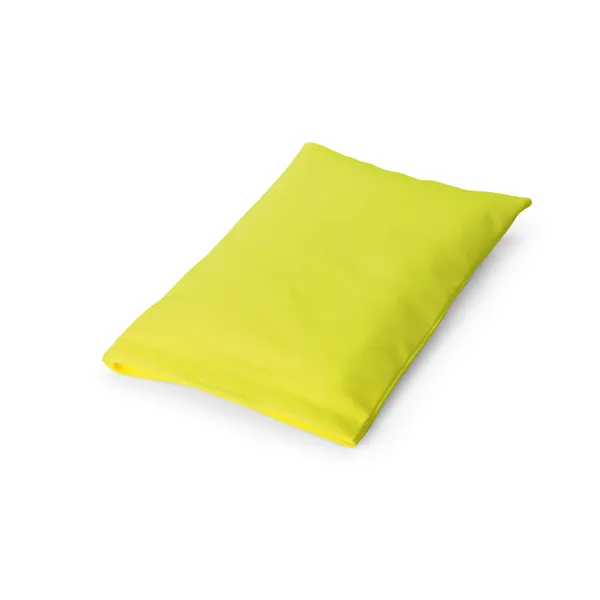
ROGER. 100% polyester pouch
ROGER is a yellow pouch (145 x 220 mm) made of 100% polyester, with a self-adhesive hook-and-loop fastening. Fits vest 98503.
from€2.75€3.45/ pc
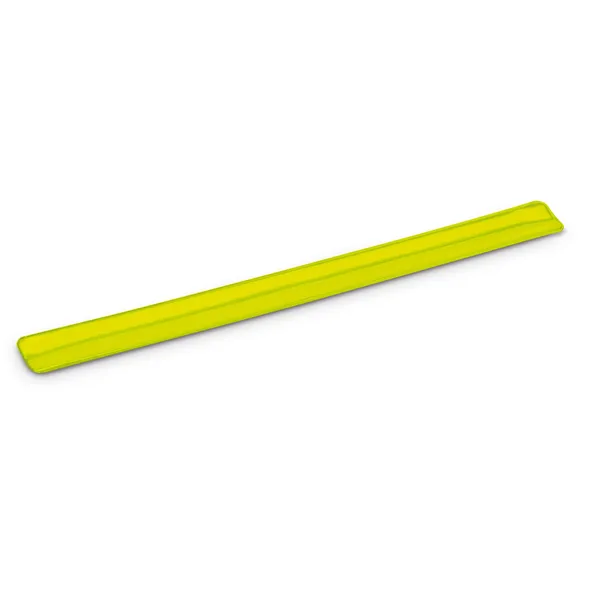
RAFAEL. Fluorescent slap band
3 colours
Fluorescent slap band that snaps around the wrist or sleeve. Dimensions 300 x 30 mm, with a velvet lining. Colour options: yellow, satin silver and orange.
from€2.45€3.07/ pc
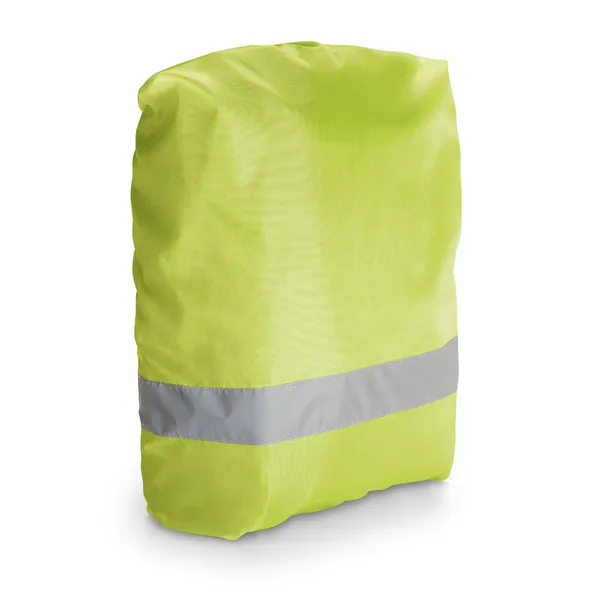
ILLUSION. 210D waterproof backpack cover
ILLUSION is a yellow waterproof backpack cover made of 210D fabric, with reflective elements. The price includes a one-colour print in one position.
from€4.80€6.02/ pc
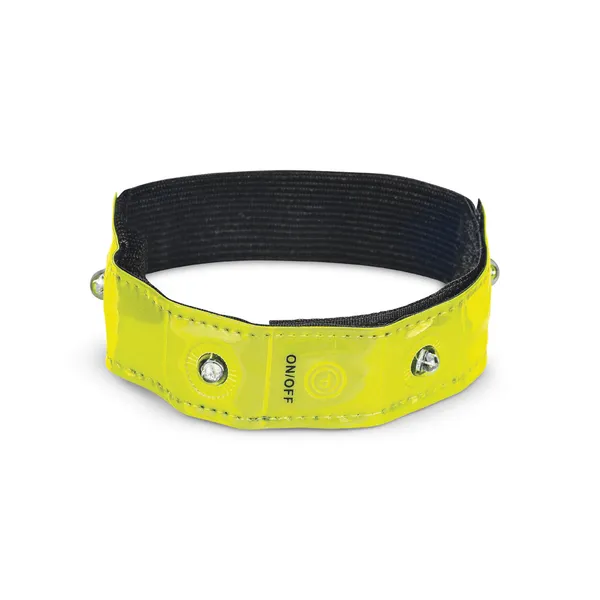
VISIBLE. Reflective armband with four red LEDs
Reflective armband with four red LEDs, a flashing function and an adjustable hook-and-loop strap. Colour yellow, size 30 x 410 mm.
from€4.95€6.21/ pc
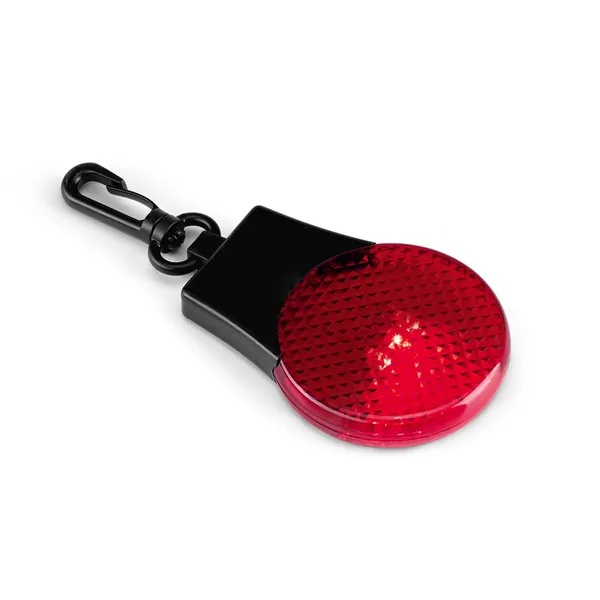
NIBALI. Reflective light with 3 LEDs
2 colours
Reflective light with three LEDs, three light modes and a carabiner clip. Batteries included. The price includes a one-colour print in one position.
from€2.80€3.51/ pc
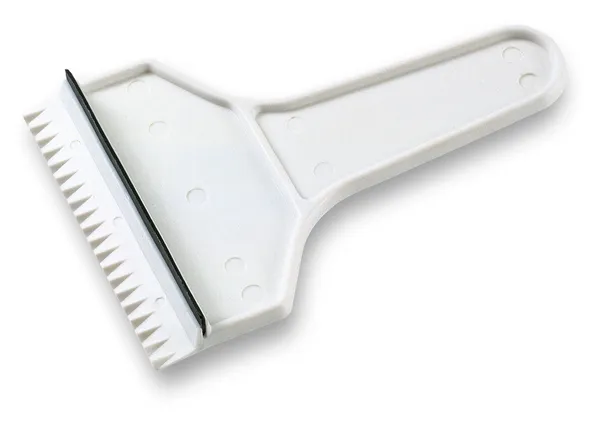
FINCLEY, Ice scraper
Ice scraper
from€2.90€3.64/ pc
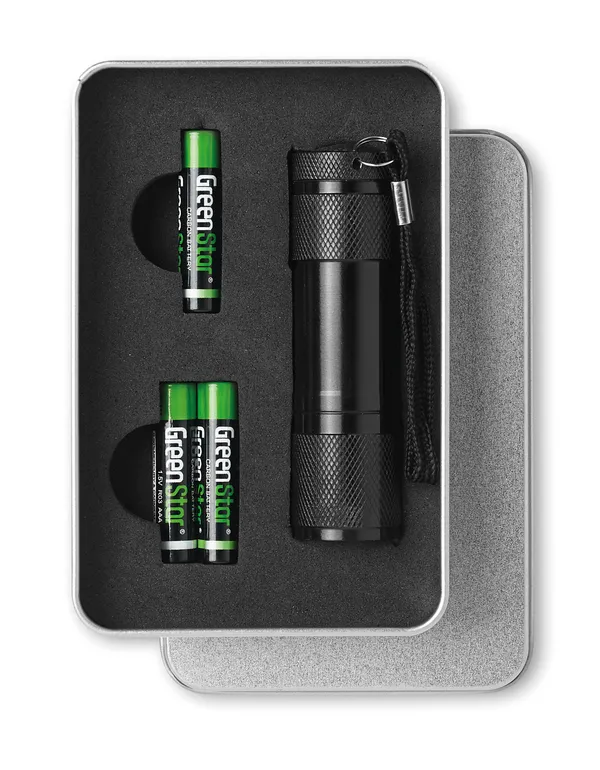
LED PLUS, LED torch in tin box
LED torch in tin box
from€9.05€11.36/ pc
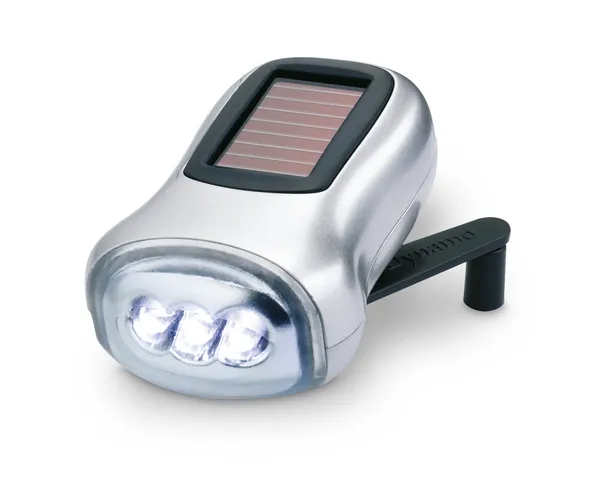
DYNASOL, Dual powered dynamo torch
Dual powered dynamo torch
from€9.40€11.80/ pc
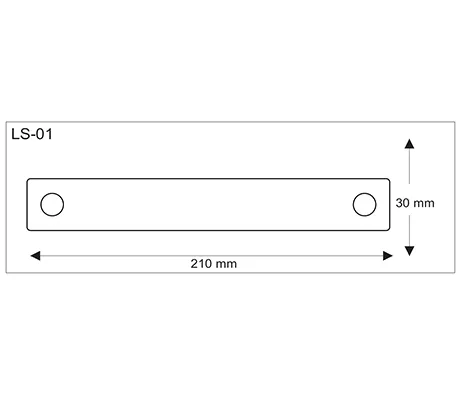
LS-01
2 colours
Slap-on reflector, size 210 x 30 mm. Colour options: white and fluorescent yellow. The price includes a one-colour print in one position, minimum order quantity 500 pcs.
from€2.25€2.82/ pc
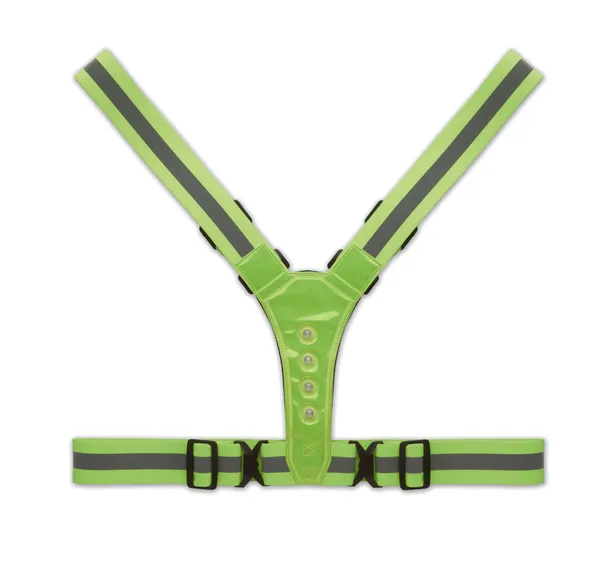
ROUNDVISIBLE, Reflective body belt with LED
Reflective body belt with LED
from€15.05€18.89/ pc
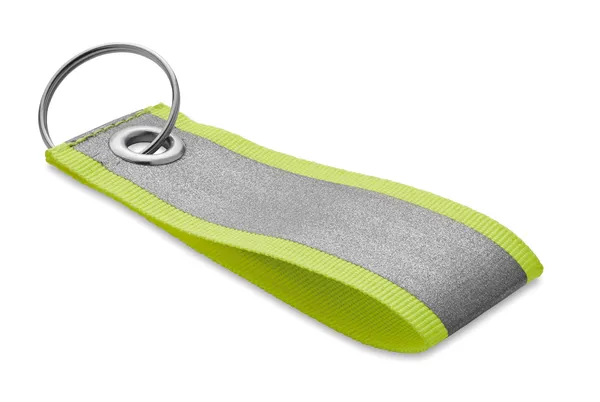
REFLEKEY, Reflective key ring
Reflective key ring
from€4.15€5.21/ pc
A reflector with your own logo
Reflectors are ordered for distribution to, for example, customers, staff, schoolchildren, club members and residents of municipalities. A soft reflector is made of flexible reflective film, and the logo is usually printed under the film so that the reflective surface stays as large as possible. The film is most often white or fluorescent yellow. A hard reflector is made of plastic and is available in many colours. The logo is printed on its surface by screen print or digital print, and the print may cover no more than a third of the reflector. A slap-on reflector is snapped around the wrist, arm or ankle.
In addition to the standard shapes, a reflector can be made in your own shape, for example following the outline of your logo. The price of a multi-colour and double-sided print is given in the quote. For a hanging reflector you choose a fastener, for example a ball chain or a cord and safety pin. The models and their minimum order quantities are in the Reflectors category. Attach your logo to the quote request if it is ready.
What is required of a reflector
According to Tukes, a pedestrian reflector is personal protective equipment, and the requirements also apply to reflectors given away free of charge. The reflector must be type-examined by a notified body and CE marked, and it must come with instructions for use in Finnish and Swedish. The details of the manufacturer and the notified body must also accompany the reflector. The current standard is EN 17353, which replaced the old EN 13356. Under the standard, the reflector is tested for, among other things, luminous intensity and surface area. According to Liikenneturva, reflectors that comply with EN 13356 can still be used without concern.
The declaration of conformity is supplied with the product, or the instructions for use give a web address where it can be found. An EU type-examination certificate is valid for a maximum of five years. Every reflector we sell has a manufacturer's certificate. In your quote request, ask for the product's certificate and the EU declaration of conformity. The guide Reflectors for distribution explains which documents to ask for in a quote request and how to plan the order backwards from the distribution date.
A reflector or a reflective product
According to Tukes, only a product that meets the requirements and has been properly type-examined may be called a reflector. For example, reflective keyrings, beanies, clips, stickers, pouches and LED lights are reflective products, not reflectors. They work as promotional products, but they do not replace a reflector when moving about in the dark. If the product you hand out is meant to improve visibility in traffic, choose a reflector or a high-visibility vest. The Cotton bags category also includes a reflective bag.
When you hand out reflective products, do not call them reflectors and do not promise that they increase visibility in the dark.
How a reflector is seen
Under the Finnish Road Traffic Act, a pedestrian moving about in the dark must generally use a reflector. Liikenneturva gives advice on where to place it. It is worth using two or more reflectors so that they can be seen from every direction. A hanging reflector is attached at knee height so that it can swing freely, and a slap-on reflector to each wrist or arm. A reflector can also be attached to the shin if several reflectors are used.
On which side the reflector should be attached, Liikenneturva answers: "A driver sees a reflector best when it is attached on the side facing the road." When there are two reflectors, "reflectors attached on both sides ensure visibility from every direction". The more reflectors are in use, the better the driver sees the pedestrian. According to the manufacturers' instructions, a damaged or faded reflector should be replaced with a new one.
According to Liikenneturva, when meeting a pedestrian without a reflector, a driver using dipped headlights notices the pedestrian only from about 50 metres away, while a reflector can be visible from as far as 350 metres. With full-beam headlights the corresponding distances are about 150 metres and over 600 metres.
A high-visibility vest or a reflector
According to Liikenneturva, a high-visibility vest can improve visibility at dusk and in daylight. Two standards are used for vests: EN 17353 applies to vests intended for situations where the risk is moderate, and EN ISO 20471 to vests intended for professional use. A vest must also carry a CE marking and the EN standard marking. Choose the vest according to its use and ask for the vest's certificate in your quote request.
Printed high-visibility vests can be ordered from 10 pcs, so they also suit a nursery group or a club team. The logo or text is usually printed on the back or chest of the vest. The price of these vests includes a one-colour print: heat transfer print for batches of fewer than 100 pcs and screen print from 100 pcs.
Products for the dark season
The Torches category includes rechargeable torches, dynamo and solar torches, as well as head torches and bicycle lights. Ice scrapers and snow brushes suit driving, and other car-related products are in the Car accessories category. First aid products include, for example, a first aid kit, a tick remover and hand sanitiser. An ice scraper and a torch also work as a winter customer gift.
When to order reflectors
Reflectors are often handed out as early as the start of school in August, and Reflector Day is held every year on 1 October. Plan the order backwards from the distribution date. In your quote request, state the delivery date you want. Also mention the distribution date.
Before production you will receive a print proof to approve. Check the position, size and colours of the logo on the proof. Production starts once the proof has been approved. The lead time for printed products is usually about 2 weeks from proof approval. The lead time for made-to-order products is usually about 4 weeks from proof approval. The exact lead time is given in the quote.
Frequently asked questions
What standard must a safety reflector meet?
The standard for a pedestrian reflector is EN 17353, which replaced the old EN 13356. The reflector must be type-examined personal protective equipment with a CE marking. In your quote request, ask for the product's certificate and the EU declaration of conformity.
Does a reflector given away free of charge need a CE marking?
Yes. According to Tukes, the Finnish Safety and Chemicals Agency, reflectors given away free of charge must also be type-examined and CE marked, and they must come with instructions for use in Finnish and Swedish.
Which side should the reflector be attached to?
According to Liikenneturva, the Finnish road safety organisation, a driver sees a reflector best when it is attached on the side facing the road, and reflectors attached on both sides ensure visibility from every direction. A hanging reflector is attached at knee height.
How many reflectors should be worn?
Liikenneturva recommends two or more reflectors so that they can be seen from every direction. A slap-on reflector is attached to each wrist or arm.
Can a reflector be made in your own shape?
Yes. A reflector can be made, for example, in the shape of your logo. Send the logo or a sketch with your quote request and ask for the product's certificate at the same time.
What is the difference between a reflective vest and a high-visibility vest?
Both terms are used for the same product. The standard shows the intended use: according to Liikenneturva, EN 17353 applies to vests intended for situations where the risk is moderate, and EN ISO 20471 to vests intended for professional use.
When should reflectors be ordered?
Plan the order backwards from the distribution date and state the distribution date in your quote request. The lead time for printed products is usually about 2 weeks from proof approval. The lead time for made-to-order products is usually about 4 weeks from proof approval.
Read also
Reflectors for distribution: standard, CE marking and schedule
The standard, CE marking and instructions for use of a reflector are requirements, not extras. A pedestrian reflector is personal protective equipment, and…